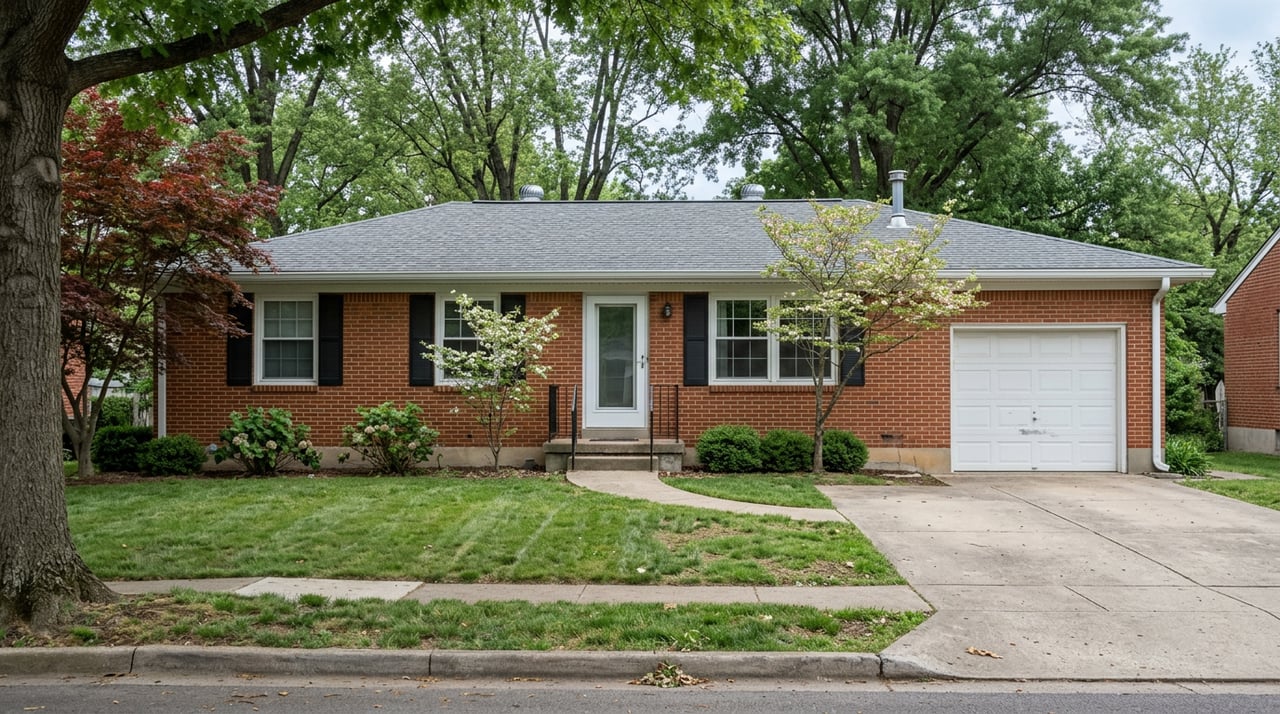
Commuting And Lifestyle In Prince George's County
March 24, 2026
March 24, 2026
Is your daily drive or train ride shaping where you live as much as your budget is? If you are weighing a move to Prince George’s County, you are not alone. Many buyers choose the county to balance commute time, housing costs, and lifestyle. In this guide, you will learn the smartest ways to get around, how different neighborhoods stack up for commuting, and what to expect from housing and the future Purple Line. Let’s dive in.
You have options here. The county links to Washington, DC and Baltimore through Metrorail, MARC commuter rail, major highways, and robust local buses. Across the county, the mean one-way commute is about 35 minutes, which offers a helpful baseline as you compare your own route and schedule. You can confirm countywide figures like commute time, ownership rate, median value, and rent on U.S. Census QuickFacts.
Affordability is a draw. The owner-occupied rate is roughly 62%, the median value of owner-occupied homes is about $426,000, and the median gross rent is about $1,799. Those anchors help you set expectations as you choose between transit-proximate condos and townhomes or larger single-family homes farther out. You can dig into those numbers on the Census QuickFacts page for Prince George’s County.
Metrorail is the backbone for many DC-bound commuters. Prince George’s County contains 15 Metro stations, including Greenbelt, College Park–UMD, Hyattsville Crossing, West Hyattsville, New Carrollton, Largo Town Center, Branch Avenue, and more. Station pages are the best place to check parking, first and last train times, and bike access. For a countywide overview of stations and modes, start with the local transportation snapshot at Experience Prince George’s.
If you want a one-stop multimodal hub, New Carrollton is especially useful. It combines Metrorail, Amtrak, MARC, and bus connections in one place, plus substantial parking. You can review parking details and station amenities on the WMATA New Carrollton station page.
If your office is in Baltimore or near Union Station, MARC can be a timesaver. The Penn Line serves New Carrollton, Seabrook, and Bowie within the county, and connects directly to DC Union Station and Baltimore. The Camden Line offers service at stations such as College Park and Greenbelt on specific schedules. Check stops and schedules on the MARC Penn Line stops page. Amtrak also serves New Carrollton on select routes.
Bus coverage fills gaps between neighborhoods and rail. WMATA Metrobus runs the big corridors, while the county’s TheBus system operates 70-plus local routes and park-and-ride feeders. Many lines link neighborhood centers to Metro stations. Before you map a new commute, confirm routes and timing on the county’s TheBus information page.
If you live outside walking distance of a station, plan a park-and-ride routine. Many stations in the county offer garages or lots, including New Carrollton, Greenbelt, and Largo Town Center. Review parking availability, fees, and payment rules on each station’s page. For example, the New Carrollton station page lists daily and reserved parking options.
Capital Bikeshare has a growing footprint in Prince George’s, with around 35 docking stations inside the county. Bikeshare and trails are helpful for last-mile trips to Metro or for getting around College Park and nearby hubs. See the county’s bikeshare map and tips at Bikeshare Prince George’s County.
If you mostly drive, your daily route will shape your experience. The Capital Beltway (I-495), Baltimore–Washington Parkway (MD-295), US-50, I-95/495, Route 1, and Route 4 are the main arteries. Northern county addresses often favor I-95, US-50, and Route 1 to reach DC or Baltimore. Southern addresses lean on the Beltway and MD-295 for DC access. Congestion varies by time of day and incidents, so test your drive during peak hours and keep apps like Waze or Google Maps handy.
Pro tip: When you tour homes, budget two test drives on different weekdays during morning peak and one return trip in the evening. That gives you a clearer picture of how predictable your route will be.
Every buyer weighs space, price, and time differently. Use these snapshots to match your routine to places that fit.
If you want a short walk to rail and a lively street grid, these areas are strong options. College Park anchors around the University of Maryland with a transit-friendly core. Hyattsville and West Hyattsville have active retail, arts, and restaurant clusters near Metro. The county is also investing in transit-oriented development in these centers. You can explore the county’s focus on local centers and TOD on the PG Planning Local Centers page.
What it means for you: expect more multifamily choices, townhomes, and mixed-use projects. If your job is in downtown DC or along the Green Line, being near College Park–UMD or Hyattsville Crossing can simplify your commute.
These hubs split the difference between suburban calm and transit convenience. Greenbelt has a planned-community history and both Metro and MARC access. New Carrollton functions as a true hub with Metro, Amtrak, MARC, and several bus connections. If you want more space than ultra-urban pockets offer, but still want an easy rail option, these can be a fit. Park-and-ride can make your mornings predictable even if you live a short drive from the station.
Bowie and Laurel lean suburban with predominately single-family neighborhoods and townhome communities. You will likely drive to a station or use selected MARC stops and express buses. Trade a longer link to transit for more space, yards, and a quieter block. If you have a hybrid work schedule, you might find the balance works well.
Southern and river-edge areas such as Upper Marlboro, Fort Washington, Accokeek, and Clinton tend to be car-dependent with limited direct rail access. You gain larger lots and a more rural or semi-rural feel. Plan for a car-based commute or a park-and-ride routine. County planning research documents these trade-offs between lot size, price, and transit access. For context on commuting patterns and neighborhood types, see the 2024 PG Planning Population, Housing & Economic Survey.
Inventory shifts by area. Around Metro and UMD, you will find more apartments, condos, and townhomes, with some short-term and student-oriented rentals. In Bowie, Laurel, and much of Upper Marlboro, single-family homes and townhouses dominate. Transit-oriented centers such as College Park, New Carrollton, Largo, Hyattsville, and Greenbelt continue to see denser, mixed-use development that adds condo and townhouse supply. County planning encourages this growth around stations, which can help you find a home that pairs transit access with updated finishes.
Consider the cost-time balance. Many buyers choose Prince George’s to reduce housing costs relative to inner-DC neighborhoods while accepting a longer commute. If you want to minimize commute time, you will likely focus near stations and pay a premium for convenience. The county’s ACS data supports this long-term pattern, including a rise in working from home that shapes peak traffic and local service demand. You can review county-level context in the PG Planning 2024 survey and confirm price and rent anchors on Census QuickFacts.
The Purple Line is a 16-mile light rail that will link Bethesda to New Carrollton, creating new east-west connections and transfers to Metro, MARC, and local buses. As of March 2026, the official project updates show late-stage testing and construction with a spring or summer 2026 testing window in several segments. Exact opening dates and operating patterns may shift, so check the latest on the Purple Line construction updates page. If you value cross-county rail, proximity to a Purple Line stop could be a strategic choice.
Use this quick checklist during your home search:
These examples show how you might link neighborhoods to job centers. Actual travel times vary by time of day and service patterns, so always check station pages, schedules, and live apps before you decide.
A great commute is only part of the story. You will find walkable dining clusters near College Park and Hyattsville, classic suburban conveniences in Bowie and Laurel, and a destination waterfront scene at National Harbor in Oxon Hill. Trails and parks add weekend balance, and bikeshare makes short local trips simple in station-rich pockets. Match your routine to your week: quick-platform access on office days, then your favorite neighborhood amenities the rest of the time.
If you want a right-sized commute and a home that fits your budget, start with a clear plan. We help you weigh time, cost, and lifestyle so you can choose the right block near the right station or corridor. If you are comparing townhomes near Metro to single-family options with a park-and-ride setup, we will walk you through the trade-offs and current inventory.
Get local guidance, data-backed pricing, and a commute plan that works before you write an offer. Schedule your consultation with Craig Powell Jr.
Stay up to date on the latest real estate trends.
Partner with a seasoned expert committed to delivering results and an exceptional experience. Work with Craig for strategic, personalized guidance from start to finish.
Craig Powell Jr | Broker
M: (443) 756-7958
O: (410) 699-6239
[email protected]
1965 Greenspring Drive
Suite 209
Timonium, MD 21093