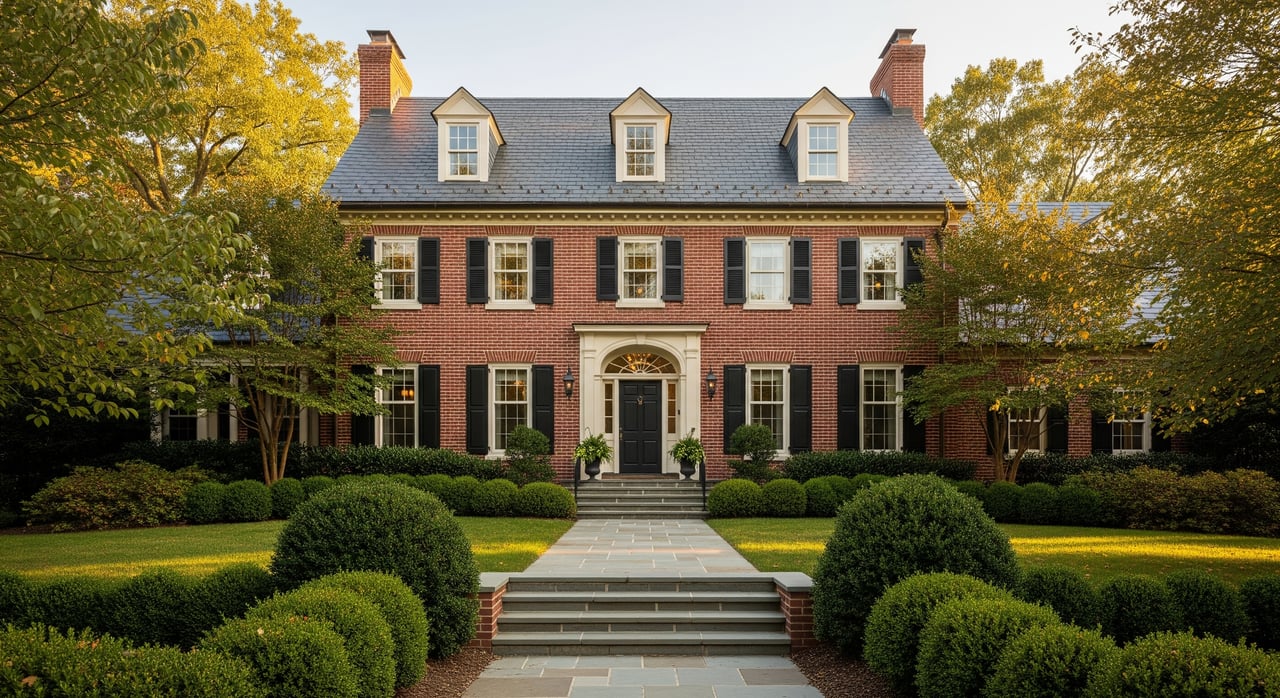
Your Howard County Home Selling Guide for Spring
January 15, 2026
January 15, 2026
Thinking about listing your Howard County home this spring? The first two weeks on market often determine your final price and timeline, so planning now can pay off later. You want a smooth sale, fewer surprises, and the strongest offer you can secure. This playbook gives you a clear, step-by-step plan to prep, price, launch, market, and close with confidence. Let’s dive in.
Spring is typically the highest-traffic season for residential listings. Many buyers aim to move between school years, and regional commuters watch the I-70, Route 29, and MD-32 corridors closely. Neighborhoods across Columbia, Ellicott City, Clarksville, Fulton, and Elkridge draw steady interest from Baltimore, D.C., and Fort Meade employees.
Start 2 to 8 weeks before your target list date, depending on repairs and updates. Add time if you need permits or larger projects. If you want to maximize curb appeal, plan exterior work and photography after your early spring yard cleanup.
A pre-listing inspection can help you find and fix major issues early, especially in older homes where roof, HVAC, moisture, or structural items can surface. Verify that past renovations had proper Howard County permits and certificates when required. If you have a well or septic or stormwater components, organize your documentation.
Maryland sellers typically provide a property condition disclosure or a disclaimer form. If your home was built before 1978, federal law requires a lead-based paint disclosure and an EPA/HUD pamphlet for buyers. For transfer taxes and local requirements, consult a title company or a real estate attorney so you are clear on costs and timing.
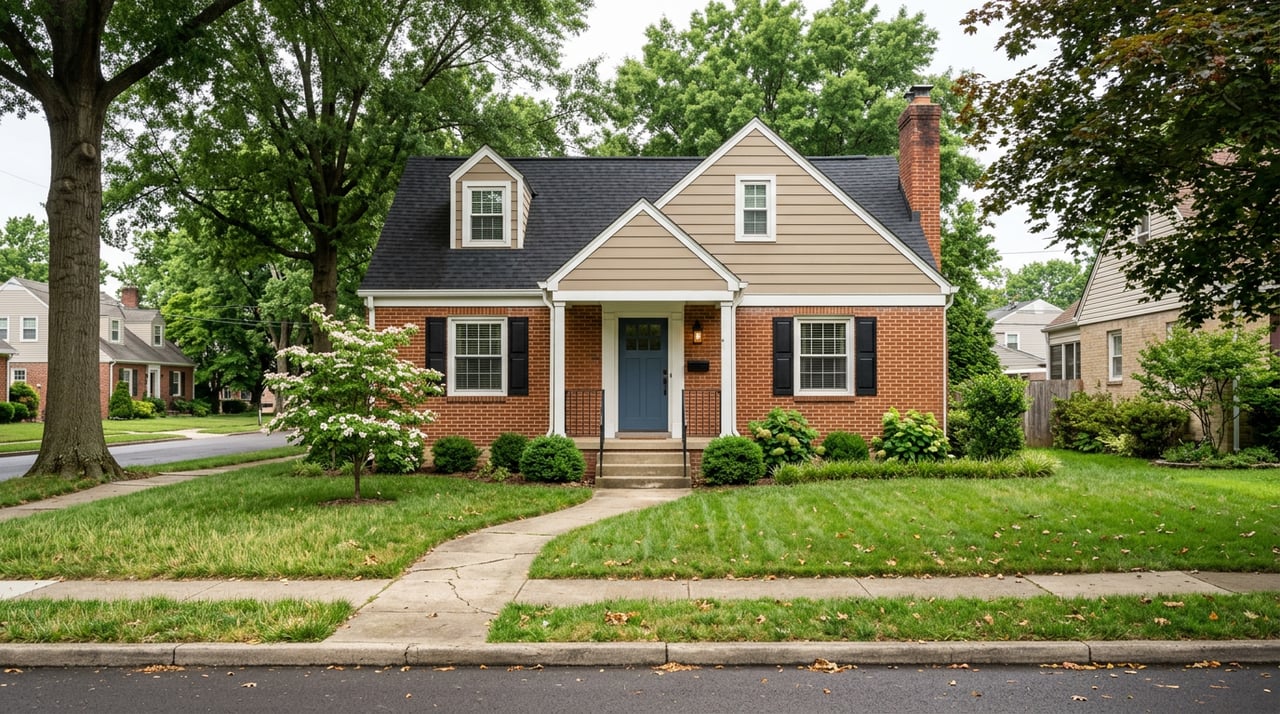
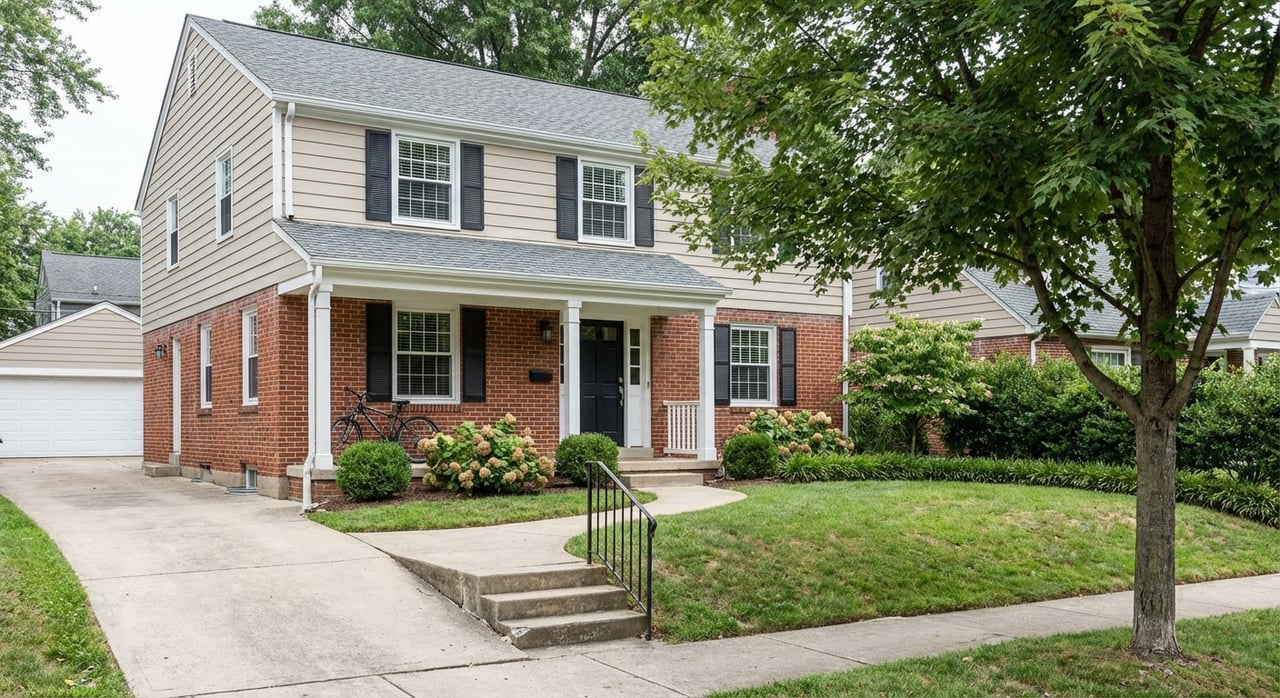
Focus on high-impact, budget-friendly updates. Freshen the front door and trim with paint, power wash walkways and siding, refresh mulch, edge the lawn, and upgrade house numbers or entry lighting. Inside, use neutral paint, brighter bulbs, and deep cleaning to make kitchens and baths feel crisp and move-in ready.
Staging helps buyers see how spaces work. You can stage key rooms in lived-in homes or fully stage a vacant property. Focus on the living room, kitchen, and primary bedroom. If you use virtual staging for vacant spaces, disclose that on listing portals. Align your design to likely buyers. For example, highlight flexible work areas for commuters and low-maintenance features that appeal to downsizers.
Hire a professional photographer who delivers accurate, well-lit images and includes key rooms, exterior angles, and unique features like a sunroom or finished basement. Plan for 20 to 35 high-quality images for single-family homes and fewer for condos. Consider twilight shots, floor plans, and a 3D tour. Drone imagery can be helpful for notable lots or views. Confirm any local drone rules and HOA restrictions before booking.
A Comparative Market Analysis should include recent closed sales from the last 30 to 90 days, current actives and pendings, and adjustments for beds, baths, square footage, lot size, condition, and upgrades. Micro-markets vary across Howard County, so lean into nearby, time-sensitive comps, especially those that closed in the last 30 to 60 days.
Track indicators like days on market, list-to-sale ratio, and absorption rate to guide your approach. Align your strategy with current inventory and buyer activity.
Bright MLS is the primary MLS for Howard County. If you plan a Coming Soon phase or any pre-marketing, make sure your approach complies with current MLS rules, brokerage policies, and Fair Housing guidelines. Your goal is broad, fair exposure while preserving a strong launch.
Coordinate your media and showing plans to capitalize on the first two weeks. Many strong offers come from early, concentrated exposure.
Use a scheduling tool through your agent to manage appointments and gather feedback. Provide clear instructions for pets and access. Remove or secure valuables and reduce personal items for privacy. Keep the home showing-ready with lights on, blinds adjusted, and fresh air circulating.
Look beyond price. Review financing type, contingencies, earnest money, closing date, and any appraisal gap or escalation clauses. Have your agent prepare a net proceeds comparison that factors in concessions, credits, and repair requests. Strong pre-approval letters and reputable lenders can add certainty.
Expect the buyer to request repairs or credits after inspections. If you handled major issues before listing, you can often keep negotiations focused and efficient. Appraisals can come in below contract price during fast-moving markets. Strategies include pricing to recent comps, using escalation clauses with appraisal gap coverage, or negotiating credits if needed.
Budget for the agent commission, prorated property taxes, state and county transfer charges, settlement fees, and payoff of mortgages or liens. If you agreed to any credits or concessions, include those in your net sheet. Your title company will confirm the exact figures and timeline.
You do not need guesswork to sell well in Howard County. With smart prep, a data-backed price, strong visual marketing, and a tight launch plan, you can attract the right buyers fast. If you want a partner who blends local market fluency with premium presentation and targeted advertising, schedule a Free Consultation with Craig Powell Jr. Our team brings fast, accurate pricing, pro photography and video options, and an education-first approach that keeps you confident from day one to closing.
Stay up to date on the latest real estate trends.
Partner with a seasoned expert committed to delivering results and an exceptional experience. Work with Craig for strategic, personalized guidance from start to finish.
Craig Powell Jr | Broker
M: (443) 756-7958
O: (410) 699-6239
[email protected]
1965 Greenspring Drive
Suite 209
Timonium, MD 21093