Dreaming of a classic brick facade, a stoop for morning coffee, and a quick walk to your favorite spots? A Baltimore rowhome can deliver that lifestyle, but it also comes with stairs, older systems, and city permitting to navigate. In a few minutes, you will understand how rowhomes live day to day, the trade-offs versus condos or detached homes, what renovations really take, and how to check parking and historic rules. You will also get a simple checklist to move from browsing to a confident offer. Let’s dive in.
What you get with a Baltimore rowhome
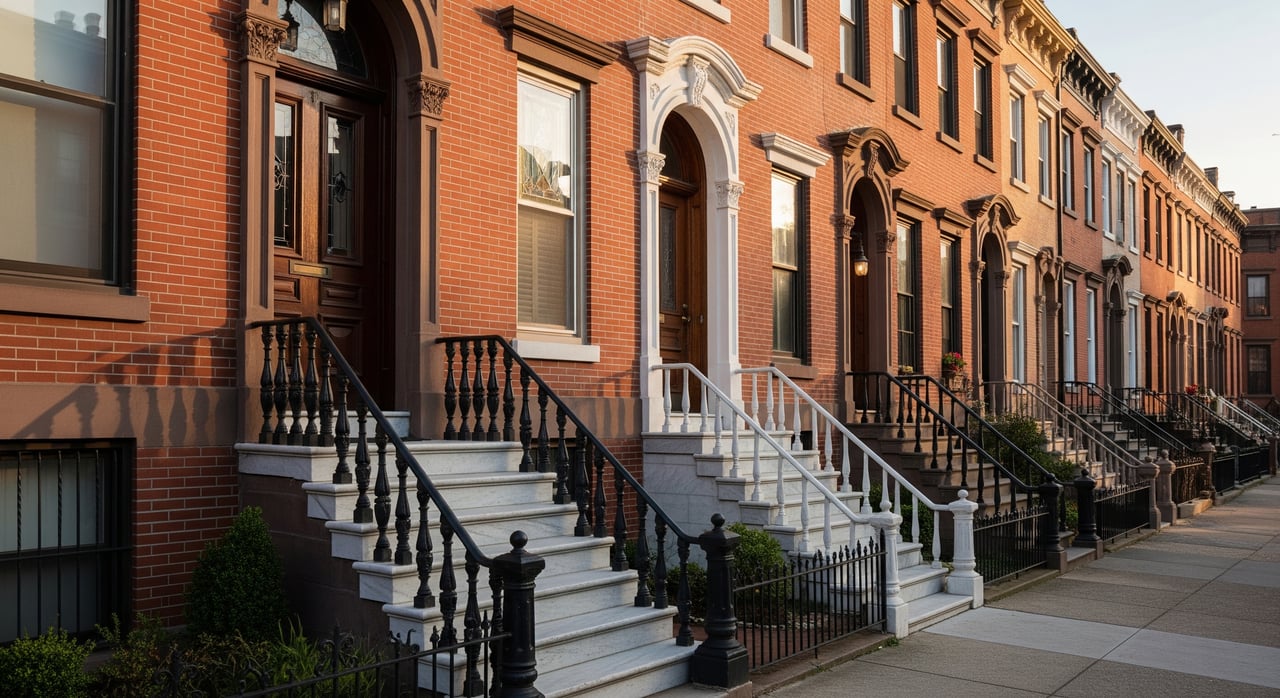
Baltimore rowhomes are typically narrow, attached masonry houses that share party walls. Many are 12 to 20 feet wide with two to four levels, often including a basement or cellar and upper bedroom floors. You will see brick or Formstone exteriors, flat or low-slope roofs, and a small front stoop with a modest rear yard and alley access in many neighborhoods.
Inside, older “parlor” layouts split the main floor into a front living room and a separate dining room, with the kitchen at the rear or in the basement in older examples. Many homes have been renovated to open the main level so the kitchen, dining, and living spaces connect. Some larger rowhouses have been converted to multiple units or accessory spaces, so always confirm zoning and any deed restrictions before you plan rental or multi-unit use.
How the layout feels day to day
Rowhomes reward you with vertical living and walkable neighborhoods, but they do mean stairs. Rear yards are typically compact, which keeps yard work light, and some homes add rooftop decks, which usually require permits and structural review. Party walls can transmit sound, and noise levels vary with construction quality and neighbor behavior. If you accept stairs and prefer an urban, connected lifestyle, the flow often feels just right.
Pros and cons vs other home types
Rowhomes stack up differently than condos, newer townhouses, or detached homes. Consider these trade-offs as you narrow your search.
Pros
- Walkable locations near transit, restaurants, and jobs in neighborhoods like Federal Hill, Fells Point, Canton, Charles Village, and Station North.
- Character and historic detail, from original woodwork and staircases to cornices and cohesive streetscapes.
- Often a lower price point than comparable detached homes in nearby suburbs if you prioritize location over lot size.
- Potential long-term value when renovations are done well and the neighborhood is improving.
Cons
- Ongoing maintenance, including masonry repointing, roof membrane work, and periodic structural or porch repairs.
- System updates may be needed, such as electrical, plumbing, and HVAC upgrades to meet modern codes.
- Limited parking for many homes; adding a pad or curb cut can be costly and may need approvals.
- Historic district rules can limit exterior changes and add review time.
- Attached walls and small yards mean less separation and privacy than detached homes.
Renovation and maintenance realities
Older masonry rowhomes are durable but need proactive care. Plan for what you can see and what you cannot.
Common issues to watch
- Masonry and tuckpointing to address mortar wear and water entry that can affect brickwork and interior finishes.
- Flat roofs and cornices that need membrane replacement or deck repairs, with periodic attention to flashing.
- Foundations and basements prone to dampness, with the potential for joist or sill issues in older homes.
- Chimneys and flues that may require tuckpointing, flashing repair, or rebuilds.
- Electrical upgrades if knob and tube wiring or undersized service panels remain.
- Plumbing replacements for galvanized water lines or cast-iron sewer laterals; owners are typically responsible for the lateral to the city main.
- Lead-based paint and possible asbestos in pre-1978 homes; plan for safe handling and compliance when disturbing materials.
Permits and historic rules
If a property is within a local historic district, exterior changes often need review by the Commission for Historical & Architectural Preservation. Review the process on the CHAP website before you plan window replacements, masonry cleaning, roof decks, or facade changes. Many projects also require building permits, and curb cuts or alley changes can trigger Department of Transportation review. Expect inspections for major systems work, such as plumbing, electrical, and HVAC, to meet code.
What drives cost and timelines
- Concealed damage like rot, structural settlement, and moisture can escalate budgets fast once walls open.
- Bringing electrical and plumbing to current code adds direct cost and can change scope.
- Historic material matching for bricks, windows, and millwork increases expense if required in a district.
- Removing load-bearing walls requires proper structural engineering, beams, and inspections.
Inspection priorities for buyers
- Order a comprehensive home inspection that covers structure, roof, and major systems.
- Schedule a sewer lateral camera inspection and plan for responsibility from the house to the main.
- Get a lead risk assessment for pre-1978 homes, especially if you plan renovations.
- Add a termite and wood-destroying organism inspection if there are signs of damage.
- If in a historic district, confirm what exterior changes are permitted and what approvals are needed.
Parking and getting around
Parking varies block to block. Confirm what you have, what you can add, and what it costs.
Street parking and permits
Many core neighborhoods rely on street parking. Some streets use Residential Permit Parking zones administered by the City. Review rules, boundaries, and application steps on the Baltimore Residential Permit Parking program page.
Adding a parking pad or garage
Adding off-street parking usually requires alley access, a rear yard sized for a legal pad, and potential permits for curb cuts and driveway creation. Consider how a parking pad affects yard space and whether it improves overall marketability in your price band. Always verify feasibility before you make it part of your offer strategy.
Transit and car-lite living
Many rowhome neighborhoods score well for walkability and transit access, which can reduce car dependence. If you value short trips and a neighborhood feel, the location can outweigh the lack of a private garage. If you must park daily near your door, focus on homes with an existing pad or strong permit options.
Value and resale outlook
Rowhomes can be strong long-term holds when you match condition, location, and realistic renovation plans.
What drives value
- Neighborhood trajectory, proximity to amenities and transit, and visible investment on nearby blocks.
- Condition relative to price, with smart updates to kitchens, baths, waterproofing, and systems.
- Preserved historic character and curb appeal that fit the neighborhood context.
- Parking and usable outdoor space, such as a rear pad or a well-built roof deck, can expand buyer appeal.
Where to find local data
City-wide averages hide big differences across neighborhoods, so use neighborhood-level data. For community indicators and trends, explore the Baltimore Neighborhood Indicators Alliance. For broad market trendlines, check Zillow Research data and the Redfin Data Center. To understand the housing stock and demographics at a high level, review the U.S. Census American Community Survey.
Simple buyer checklist
Use this quick path from interest to informed offer.
Before you write an offer
- Confirm lot size, alley access, and rear yard dimensions to assess parking potential.
- Request seller disclosures for known defects, repairs, and any permits pulled on prior work.
- Review the property tax assessment history and note current annual taxes.
- Verify zoning, historic district status, and any open permits or code violations.
- Ask about utilities, sewer lateral condition, and any past flooding or water-management fixes.
Who to hire
- A licensed home inspector experienced with Baltimore rowhomes.
- A sewer-lateral camera inspection company.
- A structural engineer if you see sagging floors, settlement, or signs of unpermitted structural changes.
- A certified lead risk assessor for pre-1978 homes when work is planned.
- Licensed electrician and plumber to price system upgrades and review inspection reports.
- A historic-preservation consultant if you plan exterior work in a designated district.
Financing and assistance
- Many buyers use a standard mortgage and set aside cash for renovations; renovation loan products like FHA 203(k) and Fannie Mae Homestyle may finance purchase plus rehab, depending on lender offerings and your eligibility.
- Local down payment or renovation assistance may be available; review current city programs through Baltimore DHCD Homeownership and consider state resources.
- If your home qualifies for historic incentives, explore state historic rehabilitation tax credits through the Maryland Historical Trust.
- Build a contingency buffer of about 10 to 25 percent of your renovation budget for unknowns.
Is a rowhome right for you?
Choose a Baltimore rowhome if you want walkability, character, and are comfortable with stairs and routine maintenance. It fits if you value location over lot size and do not mind navigating permits for improvements like roof decks or parking pads. Consider other options if you need a large private yard, a dedicated garage on day one, or a very low-maintenance lifestyle.
If you want a calm, practical sounding board as you decide, tap a local guide who knows both the numbers and the rehab realities. Schedule a Free Consultation with Craig Powell Jr to talk through neighborhoods, budgets, and next steps.
FAQs
What are typical Baltimore rowhome dimensions and floors?
- Most are 12 to 20 feet wide with two to four levels, often including a basement or cellar and upper bedroom floors.
How do historic district rules affect Baltimore rowhome renovations?
- Exterior changes in local historic districts often require review and a Certificate of Appropriateness through CHAP, which can add time and limit materials or appearance changes.
Which inspections are essential for older Baltimore rowhomes?
- A comprehensive home inspection, sewer lateral camera inspection, lead risk assessment for pre-1978 homes, and a termite check are common priorities, with a structural engineer if you see signs of settlement.
How does parking work in Baltimore rowhome neighborhoods?
- Many homes rely on street parking and some streets use Residential Permit Parking zones managed by the City, so confirm eligibility and explore adding a rear parking pad only where alley access, space, and permits allow.
Are renovation loans an option for buying a Baltimore rowhome?
- Products like FHA 203(k) and Fannie Mae Homestyle can finance purchase plus renovations if your lender offers them and you meet program criteria, so confirm details early in your financing plan.
Where can I find neighborhood-level data for Baltimore rowhomes?