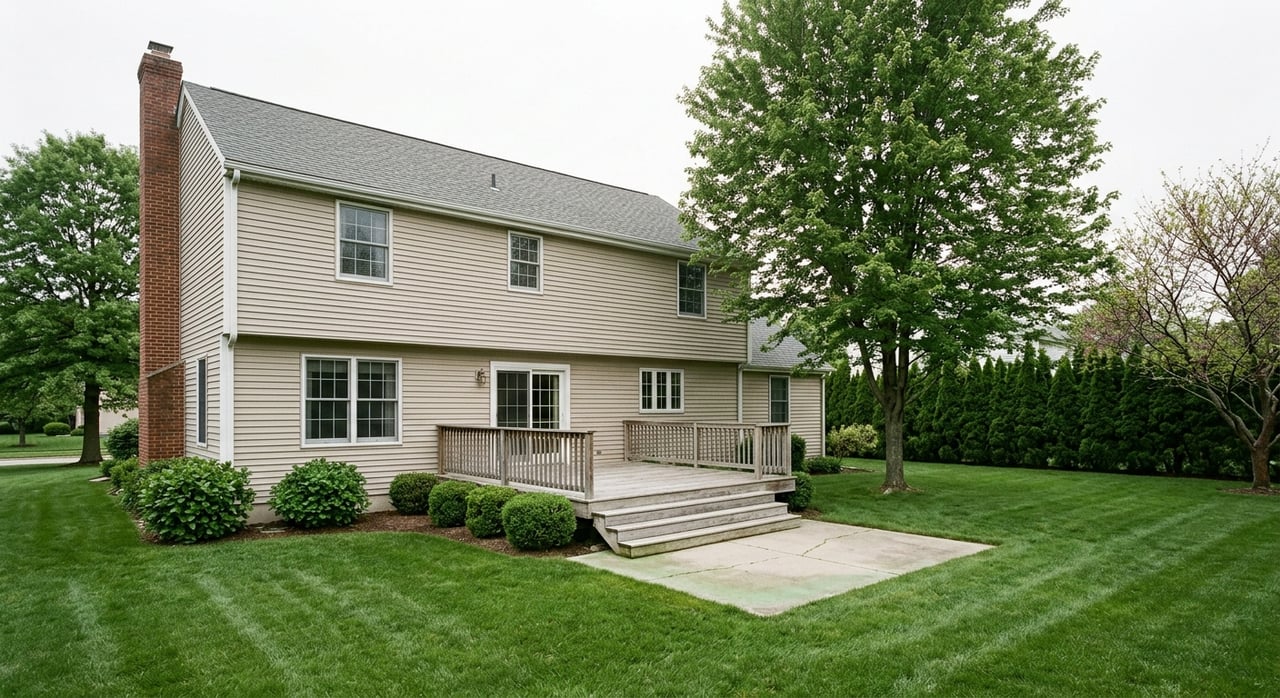
Relocating From Baltimore To York PA: What To Know
April 2, 2026
April 2, 2026
Thinking about trading Baltimore’s pace for York’s lower price points and different day-to-day rhythm? If you are planning a move north, you are probably weighing more than just home prices. You want to know what your budget may buy, how fast homes move, what the commute really feels like, and how to line up a Baltimore sale with a York purchase without creating extra stress. Let’s dive in.
If you are relocating from Baltimore to York, the first question is usually about cost. On a city-level basis, York is often seen as a lower-cost option than Baltimore, and the numbers support that overall view.
According to U.S. Census QuickFacts, York city’s median owner-occupied home value is $119,700, compared with $229,600 in Baltimore. The same source shows median gross rent at $1,014 in York versus $1,331 in Baltimore, and median monthly owner costs with a mortgage at $1,328 versus $1,789.
That said, lower housing costs do not automatically mean every part of York is cheaper in every way. Census data also shows median household income is lower in York at $48,420 compared with $62,177 in Baltimore, so it helps to look at the full monthly picture, not just the sticker price.
When you start shopping, you will quickly see that York is not one uniform market. Some areas may look more affordable than Baltimore, while others can be more competitive and more expensive.
Based on the latest Redfin market data, Baltimore city’s median sale price was $217,350, while York city’s median sale price was $167,925. York County as a whole posted a median sale price of $289,950, which shows how much pricing can shift depending on where you focus your search.
Within the York area, the same dataset showed Downtown York at $182,900, West York at $173,500, and East York at $297,452. East York also had a median of just 7 days on market, making it the fastest-moving submarket in this group.
If you are moving from Baltimore, it helps to avoid broad assumptions like “York is cheaper.” In many cases, that is true at the city level, but certain York-area submarkets can be priced above Baltimore city and move much faster.
That matters for both your budget and your timeline. If you are targeting a more competitive area like East York, you may need to be fully preapproved, ready to tour quickly, and prepared for a faster decision-making process.
Price is only part of the story. Market speed can shape your entire relocation plan, especially if you need to sell in Baltimore before you buy in York.
The same Redfin market data shows a median 67 days on market in Baltimore city versus 31 days in York city. In other words, York can move notably faster than Baltimore overall, and some parts of the market move much faster than that.
For you, that may create a timing gap. Your Baltimore home may take longer to secure the right buyer, while a York home you want could move quickly.
A smart relocation strategy often starts with accepting that your sale market and your buy market may not move at the same pace. That is why financing strategy, contingency planning, and close coordination matter so much in a Baltimore-to-York move.
If you plan to keep ties to Baltimore for work, family, or business, be realistic about the drive. This is not a short neighborhood-to-neighborhood move. It is a regional relocation.
According to Travelmath’s driving-time estimate, the drive from Baltimore to York is about 52.1 miles and roughly 58 minutes in typical traffic. Census data also shows a mean commute time of 29.1 minutes in Baltimore city compared with 23.1 minutes in York city, but your personal commute will depend on where you live and work.
That depends on your routine. If you only need occasional access to Baltimore, York may feel very manageable. If you expect to drive into Baltimore daily, it helps to think of the trip as a true commuter route and test that drive before you commit.
Lifestyle fit matters just as much as budget. York’s downtown core and surrounding areas can offer different experiences depending on what you want in your next move.
The City of York visitor information page places the visitor center in Central Market York downtown, and city and downtown sources highlight arts, culture, dining, shopping, public art, and bike and pedestrian improvements in the core. That points to a more traditional downtown setting if you want to be close to local businesses and civic activity.
Outside the core, official transit information cited in the research shows rabbittransit routes serving East York retail destinations, West York, and West Manchester Town Center. That suggests a more corridor-oriented layout in areas beyond downtown, with different access patterns and commercial nodes.
If you are drawn to older properties, be sure to check whether a home sits in a local historic district. The city’s HARB guidance says exterior work visible from a public street or alley requires approval before work begins in those districts, even when a permit may not otherwise be required.
That does not make historic properties a bad choice. It simply means you should understand review timelines and rules before planning exterior repairs or upgrades right after closing.
For many movers, this is the hardest part of the process. You may need equity from your Baltimore home, but the York market may not wait around while your sale gets tied up.
The Consumer Financial Protection Bureau recommends getting a preapproval letter and comparing loan options while you search, since rates can change daily and your working budget may need updates as you go. CFPB also notes that closing costs typically run about 2% to 5% of the purchase price, so build that into your relocation math early.
When you are balancing two transactions, contract structure matters. The same CFPB consumer guidance explains that buyers may use financing and inspection contingencies, along with home-sale and home-close contingencies that provide time to sell or close on a current home before completing the next purchase.
That guidance also discusses continue-to-show language, kick-out clauses, and rent-back clauses. These tools can create flexibility when you need to sell in Baltimore while locking in your move to York.
Once you get under contract, do not wait too long on inspections. In a move with a tight timeline, early clarity is your friend.
CFPB advises buyers to schedule the home inspection as soon as possible so they can negotiate repairs early or cancel if the contract is contingent on a satisfactory result. The same guidance notes that serious repair issues can affect closing, and that title and settlement providers should be researched early because closing involves several third-party services.
If you are buying an older York home, this step becomes even more important. The sooner you understand the condition of the property, the easier it is to plan repairs, approvals, and move-in timing.
If you want to move from Baltimore to York with less friction, focus on preparation before you start touring homes.
Here is a practical framework:
A move like this works best when you treat it as both a financial decision and a logistics project. The details matter, especially when you are juggling a sale, a purchase, and a possible regional commute.
If you are weighing a Baltimore-to-York move and want a practical plan for timing, pricing, and next steps, Craig Powell Jr can help you think through your options with a clear, education-first approach.
Stay up to date on the latest real estate trends.
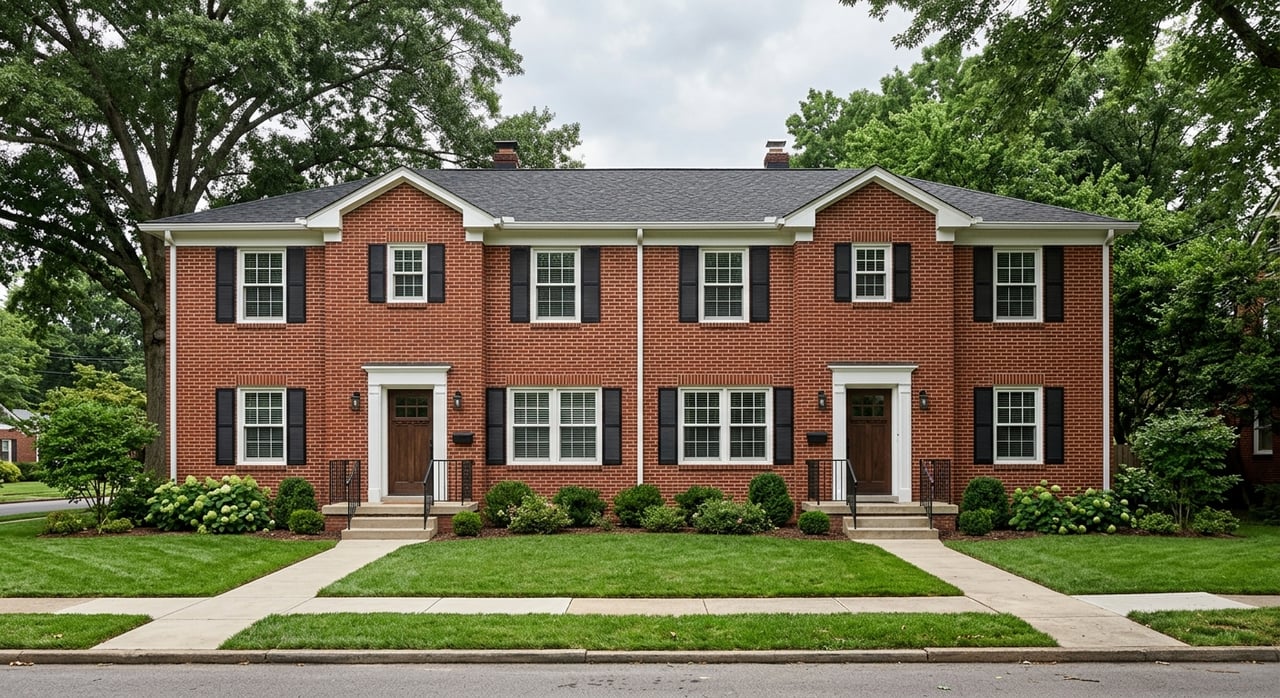
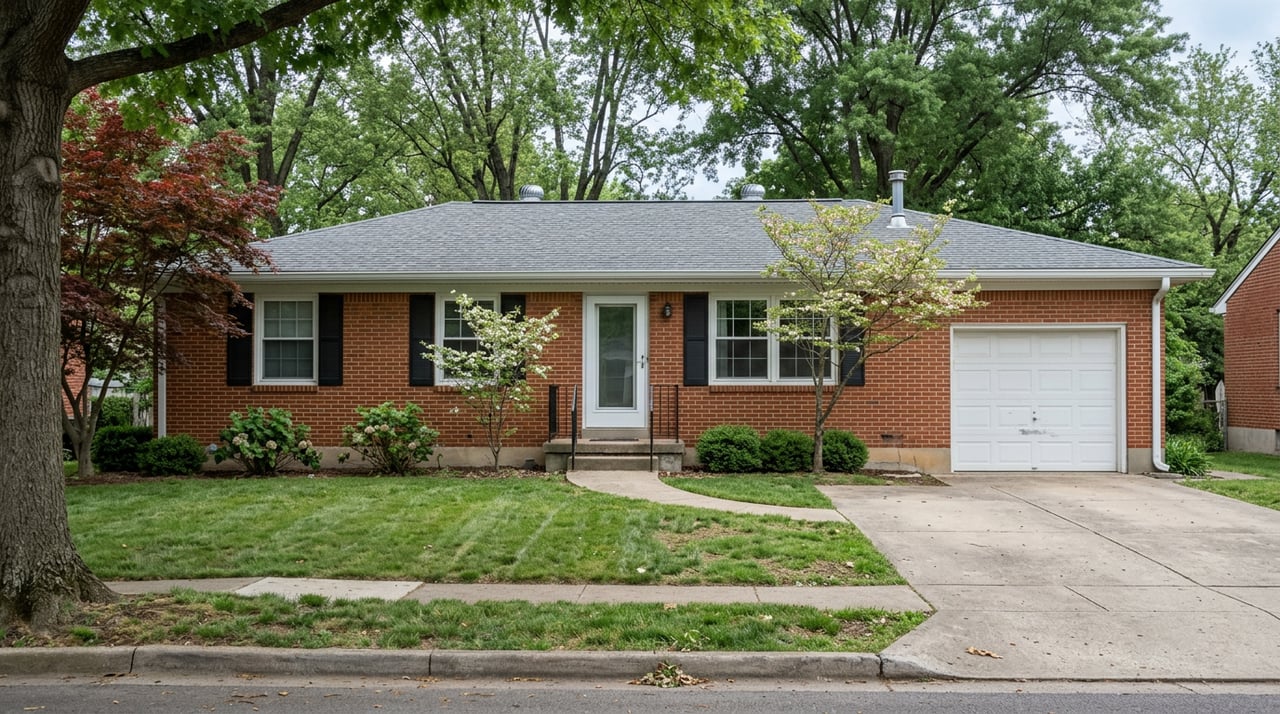
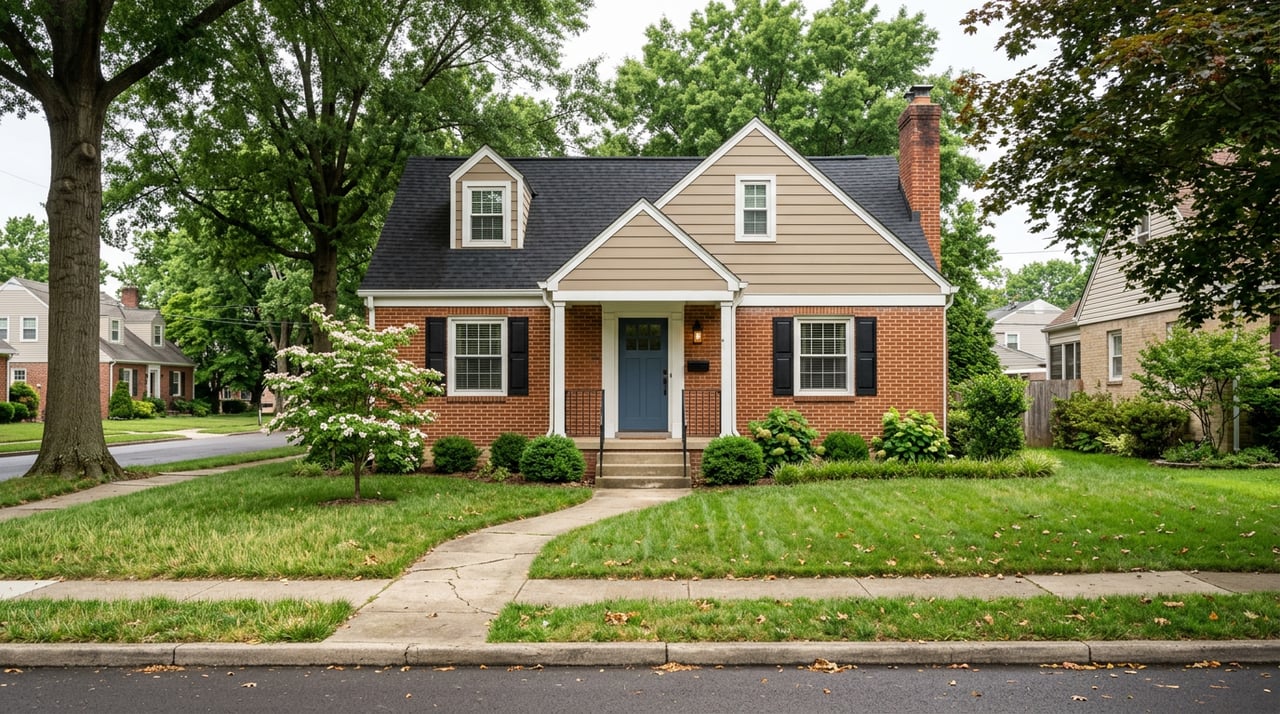
Partner with a seasoned expert committed to delivering results and an exceptional experience. Work with Craig for strategic, personalized guidance from start to finish.
Craig Powell Jr | Broker
M: (443) 756-7958
O: (410) 699-6239
[email protected]
1965 Greenspring Drive
Suite 209
Timonium, MD 21093