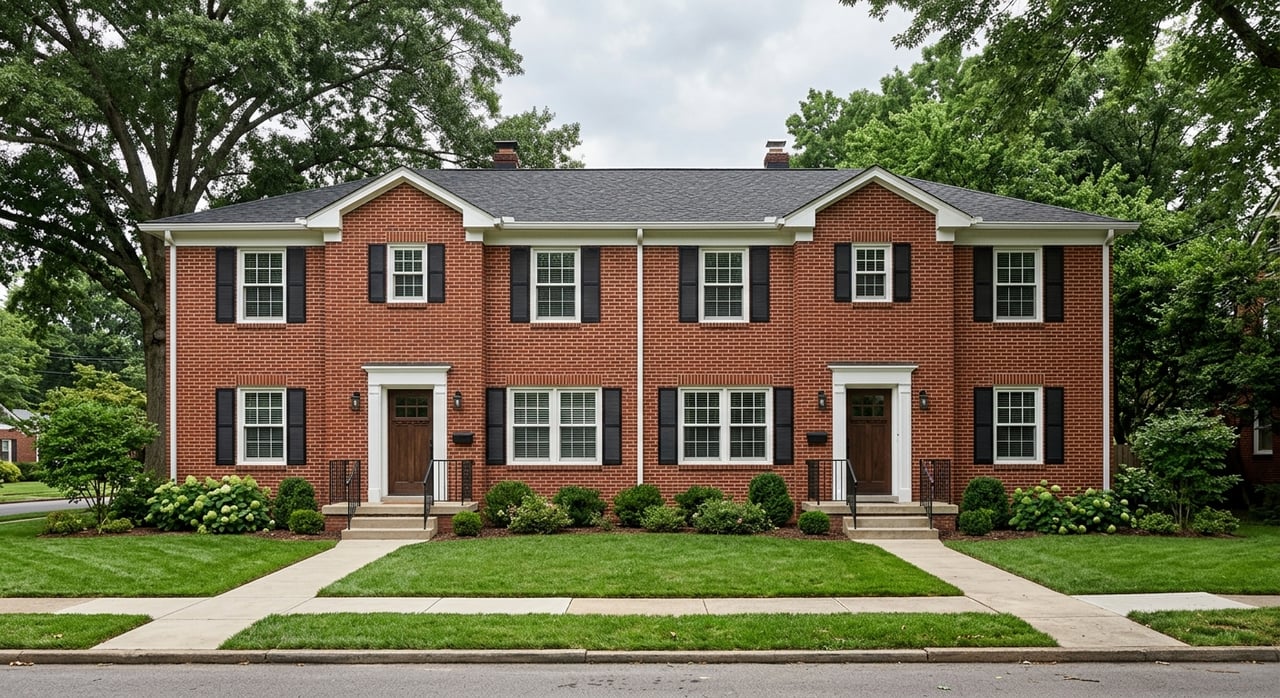
Getting Started With Small Multifamily In New Castle DE
April 16, 2026
April 16, 2026
Thinking about buying a duplex or small multifamily in New Castle? It can look like a smart way to build rental income, but the numbers and rules matter more than the listing photos. If you want to get started with more confidence, this guide will walk you through the local basics, from zoning and licensing to taxes, flood risk, and simple cash-flow math. Let’s dive in.
For many buyers, a small multifamily property offers a practical entry point into real estate investing. You may be looking for steady rental income, a value-add project, or a property that gives you more than one income stream under one roof.
In New Castle, the city is relatively small, with an estimated 2024 population of 5,715. According to the U.S. Census QuickFacts for New Castle city, the owner-occupied housing unit rate is 63.4%, median gross rent is $1,739, median household income is $89,205, and average household size is 2.01 people. Those citywide numbers suggest that demand may often come from smaller households, downsizers, and some families, rather than only large-household renters.
That said, citywide data is just a starting point. It can help you frame your underwriting, but it should not replace property-specific rent comps, condition review, and neighborhood-level due diligence.
Before you get too deep into renovation ideas or rent projections, confirm the property is actually allowed to operate the way you expect. This is one of the biggest first steps when evaluating small multifamily in New Castle.
Under the city’s zoning schedule, two-family detached dwellings are allowed in R-2 and R-3, and multiple dwellings are allowed in R-3. The same schedule also shows that lot size, frontage, height, and yard standards vary by district, which means a duplex layout that works on one parcel may not work on another.
If the property is in a Historic Residence or Historic Commerce district, permitted building types are subject to Historic Area Commission determination. In plain terms, that means your plans may need another level of review before you assume a renovation, addition, or conversion is straightforward.
Before closing, make sure you verify:
These are small steps that can save you from expensive surprises later.
A good small multifamily deal is not just about purchase price. It is also about whether your improvement plan is realistic under local rules.
The city states that building permits and certificates of occupancy are required for new, altered, or nonconforming uses, and site plan review may apply in some cases. For detached one- and two-family dwellings and townhouses up to three stories, the city adopts the 2018 International Residential Code.
If you are buying a property with the goal of reconfiguring units, adding bedrooms, changing layout, or curing deferred maintenance, you should factor review timelines and permit requirements into your budget and timeline. A deal that looks simple on paper can get slower and more expensive once approvals are involved.
One of the easiest mistakes new investors make is focusing only on gross rent. What matters is what is left after vacancy, operating costs, and debt service.
A simple way to think about it is this:
Using the citywide median gross rent of $1,739 as an example, a duplex with both units rented at that level would generate about $3,478 per month, or $41,736 per year, in gross scheduled rent. With a 5% vacancy allowance, effective gross income would be about $39,649.
If annual operating expenses were $18,500, NOI would be about $21,149. On that NOI, annual debt service of about $19,959 on a $250,000 loan at 7% for 30 years would imply a debt service coverage ratio, or DSCR, of about 1.06. If annual debt service rose to about $25,548 on a $320,000 loan at the same rate, DSCR would fall to about 0.83.
The lesson is clear: leverage can erase cash flow fast, even when rents seem solid. Taxes, insurance, maintenance, and financing terms will heavily shape the outcome, so use broad rent benchmarks carefully.
Buying the property is only part of the equation. You also need to understand the local requirements that affect day-to-day ownership.
The city requires a rental housing business license before operating rental property. Renewal is annual, each dwelling unit is inspected before a new tenant occupies it, and ownership changes must be reported within one week. The city’s fee schedule also includes per-unit rental license charges, rental housing business license charges, and inspection fees.
The city’s minimum housing and property maintenance code also applies to existing residential and nonresidential structures. That means safety, sanitation, and habitability standards are not optional operating details. They are part of your underwriting.
When you estimate carrying costs, include:
If you skip these items, your projected returns may look better than reality.
Taxes deserve extra attention in New Castle because reassessment has changed the way many owners need to underwrite future costs.
According to the City of New Castle finance and administration information, the FY2026 city tax rate is $0.35635499 per $100 of assessed value. Bills are mailed in mid-July, a 2% discount applies through August 29, and penalties begin after October 1.
New Castle County also states that property is assessed at fair market value as of July 1, 2024, and that the assessment affects both property and school taxes. Because of that, historical tax bills may not be a reliable shortcut for estimating future ownership costs. If you are underwriting a deal, treat prior taxes with caution and verify what reassessment could mean for the property you want to buy.
The city also offers over-65 and disability exemptions with residency and income qualifications. In most cases, those exemptions would not apply to a standard absentee investor-owned duplex.
Closing costs can take a bigger bite than many first-time investors expect. Delaware transfer tax is one of the major items to plan for early.
Under Delaware law, the state realty transfer tax is 3% unless the county or municipality has enacted the full 1.5% local tax, in which case the total is 2.5%. The tax is typically split equally between buyer and seller. New Castle County also requires its own realty tax affidavit for county properties.
The practical takeaway is simple: transfer tax should be modeled as a real acquisition cost, not treated like a small line item you can figure out at the last minute.
If this is your first rental property, state compliance matters just as much as your projected rent.
Under Delaware landlord-tenant law, for most one-year residential leases, the security deposit cannot exceed one month’s rent. It must be held in a Delaware escrow account, and it generally must be returned with an itemized damage statement within 20 days after the lease ends.
The law also caps application fees at the greater of 10% of monthly rent or $50. These rules affect how you structure leasing, deposits, and move-out procedures, so they should be part of your operations plan from day one.
Flood risk is a real underwriting issue in New Castle and should be reviewed early, not after you are under contract and scrambling for insurance quotes.
The city’s flood plain management page notes that many parts of the city are near flood hazard areas and that AE-zone properties are subject to floodplain rules. The county also notes that flood insurance policies have a 30-day waiting period.
That means you should verify flood zone status and estimated insurance cost before closing. A property that seems attractive on price alone can look very different once flood-related carrying costs are added to the model.
If you are reviewing a small multifamily opportunity in New Castle, use this as a quick first-pass screen:
A property does not need to be perfect to be a good deal. It does need to make sense once the real costs and rules are on the table.
Getting started with small multifamily in New Castle can be a smart move if you stay disciplined. The local opportunity is not just about finding a property with two units. It is about confirming zoning, understanding permits, modeling cash flow honestly, and accounting for taxes, licensing, and flood risk before you close.
If you want help reviewing a small multifamily opportunity with a practical, numbers-first approach, connect with Craig Powell Jr. You can schedule a free consultation and talk through the deal with an advisor who values education, transparency, and real-world investment analysis.
Stay up to date on the latest real estate trends.


Partner with a seasoned expert committed to delivering results and an exceptional experience. Work with Craig for strategic, personalized guidance from start to finish.
Craig Powell Jr | Broker
M: (443) 756-7958
O: (410) 699-6239
[email protected]
1965 Greenspring Drive
Suite 209
Timonium, MD 21093